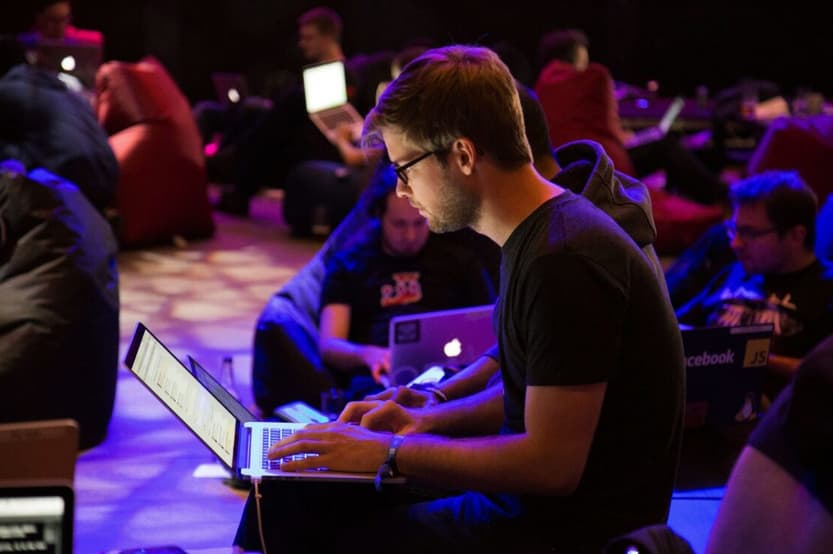
Conferences have changed significantly over the past 5-7 years: the format has remained the same, but audience expectations haven’t. Participants come not just to “listen to presentations” but to gain value in a limited time: contacts, insights, access to people and data. This is why organizers are actively implementing technologies—from mobile apps to AI-based matchmaking algorithms. But in practice, some solutions actually work, while others simply create a sense of digital overload. Let’s explore which tools are worthwhile, and which are more annoying than helpful.
How technology influences attendee behavior after a conference
The impact of a conference is often measured by registrations or room attendance, but the real impact is felt after the event. Post-event analytics platforms allow us to understand which sessions attendees rewatched, which contacts they revisited, and which topics generated the most interest days later. From IT to fintech and entertainment, where audience behavior is analyzed as closely as on sports betting sites, these technologies are indispensable.
Well-tuned follow-up systems automatically send attendees personalized content: recordings of presentations, contacts of relevant people, and materials on topics they bookmarked in the app. This reduces the “forget-me effect” and transforms the conference from a one-time event into an ongoing workflow. However, excessive automation is dangerous: too frequent emails or intrusive notifications quickly lead to irritation and unsubscribes.
Organizers should use technology not as a showcase for innovation, but as a tool for analysis: which formats are truly working, where participants are losing interest, and which solutions should be developed for future events. It is at this stage that it becomes clear which digital tools enhance the conference’s value, and which merely create the illusion of technological sophistication.
Conference Mobile Apps
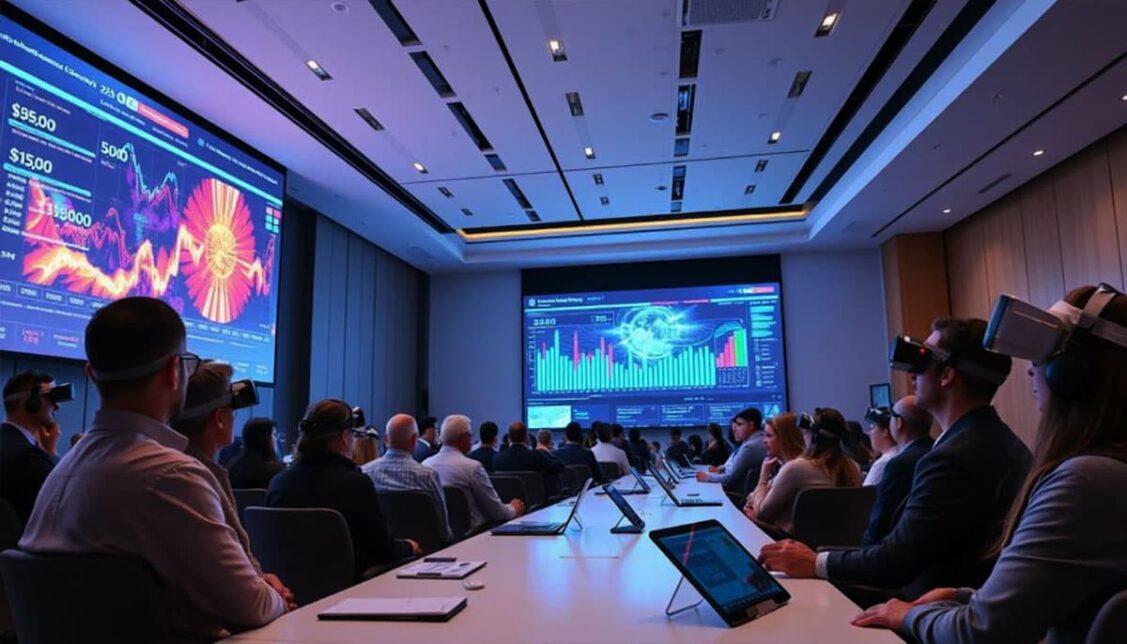
Event apps are almost standard these days: an agenda, room map, speaker list, and push notifications. When implemented successfully, this saves time and reduces chaos, especially at multi-day events. Problems arise when the app becomes an overloaded catalog of features that no one uses.
Experience shows that attendees actually open an app for three things: an up-to-date schedule, quick notifications about changes, and access to contacts. Anything else—simple polls, inactive forums, complex game mechanics—rarely holds attention.
AI Matching and Smart Badges
One of the most noticeable trends is the use of algorithms for matchmaking. AI matching analyzes a participant’s profile, goals, and interests, suggesting specific people for communication. Unlike chaotic coffee breaks, this approach actually increases the likelihood of making meaningful connections.
Smart badges with NFC or QR codes simplify contact exchange and the collection of location statistics. However, balance is important: if a participant feels tracked incessantly without any explanation of the benefits, trust is undermined. The best use cases are when data is used transparently: for example, to show which sessions were attended and who they interacted with most often.
Live Polls and Interactivity
Real-time interactive polls can liven up the room when integrated into the flow of the presentation. When the speaker uses them to make decisions during the presentation or to share real data with the audience, engagement increases. If polls stand alone, they quickly become perceived as noise. Optimally, 1–2 short interactive moments per session are ideal. Anything more distracts from the core of the presentation. Participants come for the content, not endless button-pushing.
Attendance Analytics
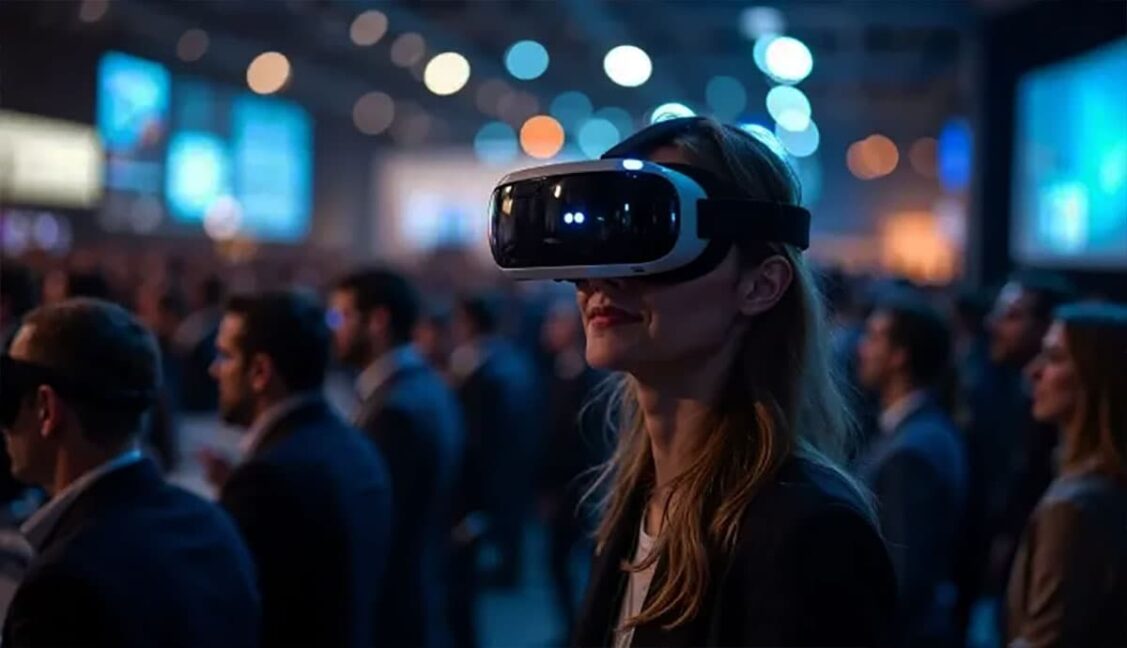
Analytics systems allow us to understand which presentations are actually attended, where bottlenecks occur, and which areas are empty. For organizers, this is a valuable tool for planning future events. For attendees, it provides a neutral backdrop if data collection doesn’t feel intrusive. Problems arise when analytics begins to influence behavior, such as intrusive notifications or mandatory check-ins. In such cases, technology ceases to be a help and becomes an irritant.
What’s Most Often Redundant
Not all digital solutions are created equal. In practice, the most common criticisms are the same every year: tools get added “because we can,” not because they solve a real problem for attendees. When technology starts competing with the agenda instead of supporting it, people notice fast — and they disengage just as quickly.
- Complex gamification mechanics without a clear reward;
- VR zones unrelated to the conference theme;
- Overloaded push notifications;
- Duplication of features already available in standard messaging apps.
The core pattern behind all of these failures is simple: the more steps it takes to get from “I want to connect or learn” to “I actually did it,” the less value the technology creates. The less friction between people and content, the higher the value of the event — and the more likely attendees are to stay engaged during the conference and keep the connections alive after it ends.